
Green Steel.
Shaping the Future.
We are Green Steel
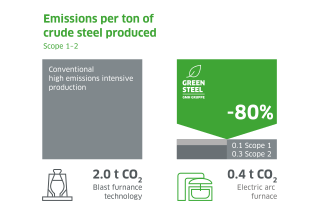
80% lower
CO2 emissions compared with conventional blast furnace processes
Almost 100%
scrap input
We produce steel with around 80 percent less CO2 emissions than conventional blast-furnace production. In our state-of-the-art electric furnaces, we use almost 100 percent scrap metal to produce top-quality steel. We have been relying on this trailblazing technology for decades – and are constantly developing it further.
For a future worth living
We are driving the transformation
of the steel industry.
Our path to science-based climate targets
We have joined the Science Based Targets Initiative (SBTi) and are working to have our climate targets scientifically validated. We are setting measurable targets to reduce our greenhouse gas emissions. Our goal: to consistently reduce the CO₂ emissions scopes 1 and 2 from our steel production by 2039.. By using renewable electricity, hydrogen-capable production processes. We aim to reduce scope 3 by working with suppliers to reduce supply chain emissions. Our scope 3 targets will be validated by Sbti by the end of 2026. With those efforts, we are actively driving the transition to a climate-friendly industry. Click here for the press release.
Steel with lower CO₂ emissions
for tomorrow’s industry.
Steel production is responsible for around nine percent of man-made carbon emissions worldwide. We want to do our part to reduce these emissions. . More than thirty years ago, when we were still a traditional steel group, we completely reinvented ourselves, taking the courageous decision to dismantle our blast furnace and invest in an electric arc furnace –an important step towards reducing CO₂ emissions from our steel production.
Since then we have significantly reduced the greenhouse gases emissions from our steel production. Today, we continue to work on reducing emissions from our steel production. Because steel will continue to be needed in the future. That is why we continue to invest in lower-emission steel production.
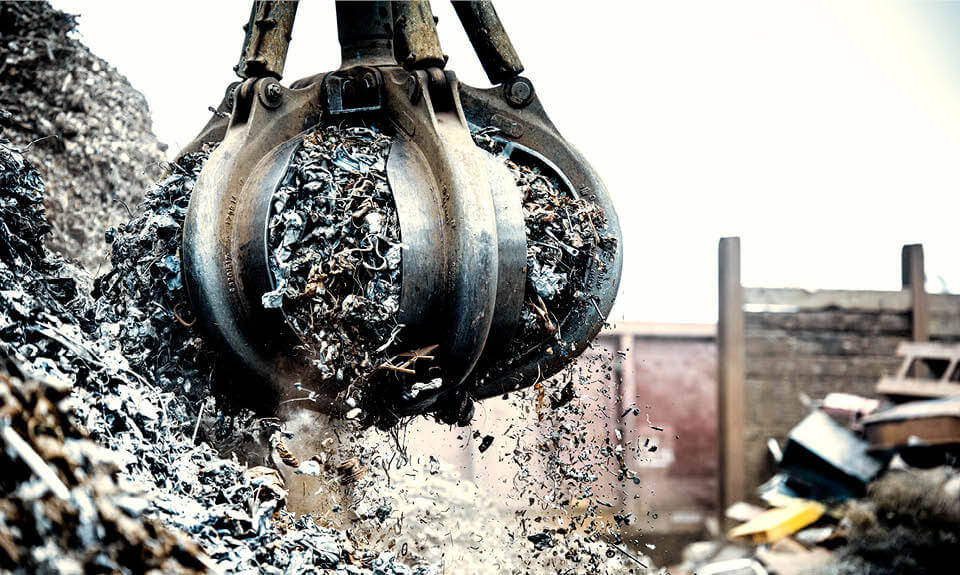
Turning scrap into
high-tech steel
We are enabling a circular economy. By melting steel in our electric arc furnaces from almost 100 percent scrap as metallic input, we transform waste material into high-tech products – without any loss of quality. Not only do our sources of scrap include products that have completed the end of their life cycles, but we can also feed production scrap, for example from our customers, directly back into the steel production process. Steel can be recycled multiple times and the use of recycled steel can contribute to lower greenhouse gas emissions compared with production from primary raw materials.
We also recycle slag, a byproduct which can be used in road construction, for example.
Reducing CO₂ emissions in steel production –
together
With our Green Steel product lines, we offer steel with lower CO₂ emissions from production compared with the conventional blast-furnace route.
Green Steel product lines
Three product lines, one goal:
lower CO₂ emissions in steel production
Under the Green Steel label, we offer three product lines whose production, according to our calculations, results in significantly lower CO₂ emissions than the conventional BF-BOF steelmaking route.
All Green Steel product lines are produced in our electric furnace using almost 100 percent scrap as metallic input.
For Green Power Steel is made using comes 100 percent from renewable sources.
For Green Power Premium Steel also uses 100 percent of biogenic carbon.
Scope 1: direct emissions from plant / production process
Scope 2: indirect emissions from purchased electricity
*CO2 emissions relate to crude steel produced (continuously cast)
Under the Green Steel label, we offer three product lines whose production, according to our calculations, results in significantly lower CO₂ emissions than the conventional BF-BOF steelmaking route.
How much steel do you need per year?
CO2-emissions saved*
(Scopes 1+2)
8.624 metric tons
Crude steel compared with traditional blast furnace
Want to save even more? Switch between our three product lines.
Green Steel
Process
Electric furnace
Green Steel
Green Power Steel
Process
Electric furnace
Energy source
100%
renewable electricity
Green Steel
Green Power Premium Steel
Process
Electric furnace
Energy source
100%
renewable electricity
Fuel
100%
biogenic carbon
Carbon footprint
Detailed Product Carbon Footprint calculations for a wide range of product variants
Just as we use clearly defined criteria for our Green Steel product lines, we also rely on transparent data when calculating the Product Carbon Footprint. At Georgsmarienhütte GmbH, we calculate the Product Carbon Footprints of over one million product variants using a calculation methodology validated by TÜV SÜD . This provides you with reliable, product-specific emissions data for the steel in your supply chain. It supports your reporting requirements and climate targets while creating greater transparency on the carbon footprint of your products – and a solid basis for further reducing emissions across your supply chain. In addition, our Green Power Premium Steel produced at Georgsmarienhütte is classified as Class A under LESS, the European standard for transparent and comparable assessment of low-emission steel.
Our roadmap for the future
Our goal[:
0 t of Scope 1+2 CO₂ emissions by 2039
We take our responsibility for reducing emissions from steel production seriously. Based on decades of experience and our expert knowledge base, we are constantly improving our technology. Our goal is clear and ambitious:
By 2039, we aim to reduce our Scope 1+2 CO₂ emissions to zero. As an interim target, we aim to reduce our Scope 1+2 CO₂ emissions by 50% by 2030 compared with the base year 2019.
Our measures for CO2 reduction
Renewable electricity. Biogenic carbon. Green Hydrogen.sources.
We focus on three key measures to reduce CO₂ emissions from steel production.
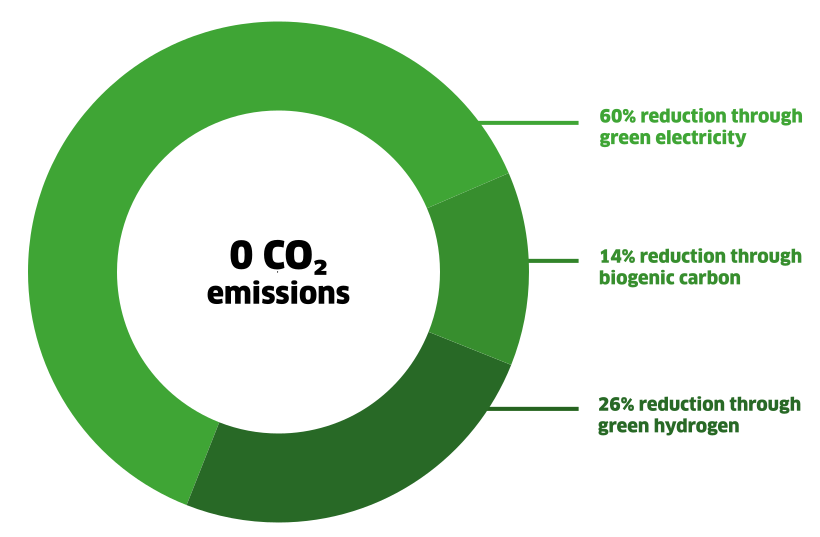
The information on our 2039 target and the planned reduction measures relates to Scope 1 and Scope 2 emissions of GMH Gruppe companies. :
Scope 1: direct CO₂ emissions from plant / production process
Scope 2: indirect CO₂ emissions from purchased electricity
Scope 3 emissions are not included in the zero emissions 2039 target.
Product carbon footprint (PCF) relates to volume of crude steel produced (continuously cast)
Not all GMH Gruppe companies produce crude steel themselves. Many operate further along the value chain—through rolling, forging, casting and machining—and predominantly process Green Steel produced within the Group or externally sourced material.
Electricity from renewable sources
We install photovoltaic systems at our sites and invest in local photovoltaic projects. We are also exploring participation in wind farm projects. In addition, we purchase electricity from renewable certified sources.
CO₂ emissions:
from 0.4 to 0.1 metric tonsper ton of crude steel
Replacing fossil coal
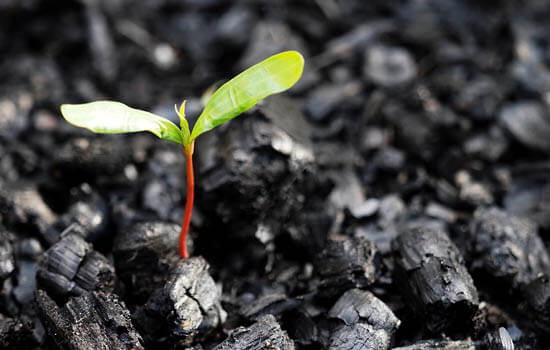
with biogenic carbon
We are implementing efficiency measures to reduce our use of fossil carbon and gradually replacing it with biogenic alternatives. By 2030, our goal is to replace fossil process carbon with biogenic process carbon for 50 percent of our production.
CO₂ emissions:
from 0.4 to 0.05 metric tonsper ton of crude steel
Hydrogen from renewable sources
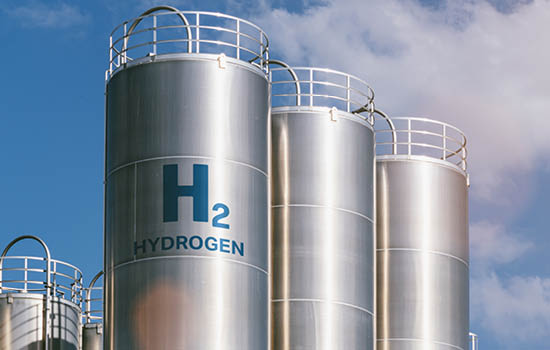
instead of natural gas
We are implementing a wide range of efficiency measures to reduce our gas consumption, and plan to gradually transform suitable production processes to hydrogen.. To help create the conditions for the future supply of hydrogen to our plants, we are closely involved in technical and political discussions concerning the design of Germany’s hydrogen infrastructure.
CO₂ emissions:
from 0.4 to 0 metric tonston of crude steel
Would you like to join us as a Green Steel Pioneer?
With us, you can lead your company into a green future.
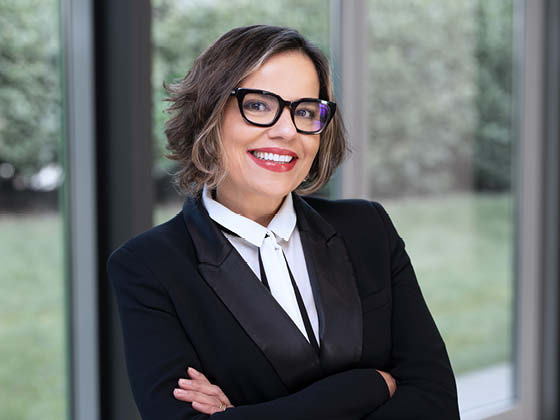
Luciana Filizzola
Director Sustainability and Communications